Basic Tree Care Tips for Healthy Trees: Insights from the Best Oahu Tree Care Experts
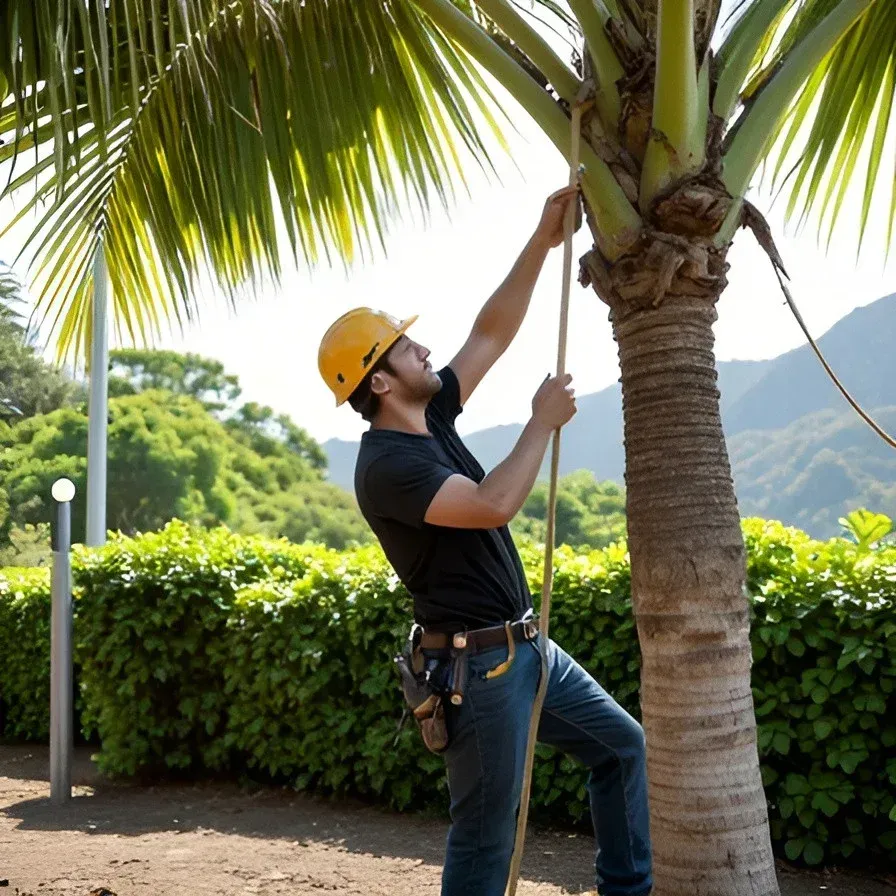
Are you an Oahu homeowner looking for practical ways to care for your trees? In this guide, we will give you some tips on making your trees in Oahu healthier and more wonderful in simpler ways. We already mentioned some trends and techniques in our previous post/article entitled “A Cut Above: Oahu Tree Trimming Trends and Techniques”, but here, we will give you different techniques that are easier to perform on your trees anytime and anywhere.
Regular Pruning
The most basic technique that maintains the structure of your tree, removes dead or diseased branches that can steal nutrients, leading to healthy growth and a more aesthetic look. You can do it with just some sharp pruning tools to cut back overgrown branches, deadwood, and shape the tree. Just be careful when selecting branches to cut off and always maintain a balanced structure.
Mulching
Mulch can help trees retain moisture, regulate temperature, and suppress weeds. Mulch is accessible and you can buy it at many garden supplies stores or in online stores, and you can do mulch on your own. You can just chop up some parts of your trees and mix them with some chopped grass, wood, twigs, shredded paper or old newspaper, and voila! You have your DIY mulch.
Oahu tree trimming and removal experts suggestion is applying a 2–4-inch layer of organic mulch around the base of the tree, extending out to the drip line. Also, keep the mulch a few inches away from the trunk to prevent rot.
Deep Watering
Your trees need water. But sometimes, deep watering can be more beneficial. Use a slow-release watering system like drip irrigation or soaker hoses and soak the soil to a depth of at least 12 inches. This will help deep roots to grow and ensure an enough amount of moisture levels. Always hydrate your trees, just like you hydrate yourself!
Soil Aeration
Although leaves and branches are already exposed, roots also need to breathe. That is why there is a process called soil aeration. This is a process that will reduce too much compaction of soil and allow more water, air, and nutrients to go deeper, which improves the growth of the roots. You can use an aeration tool or garden fork and create small holes, spaced about 2 feet apart, around the drip line of your trees.
Root Collar Excavation
Aside from aerating the roots by the process of soil aeration, it is also important to know that putting more space to breathe on the biggest roots of a tree is important – which is the Collar or the drip line of the tree. Root Collar Excavation is a process of exposing the root collar by carefully removing the excess soil and mulch around the base of the trees, allowing the tree to breathe better. By doing this process, you can improve root respiration, stability, and overall health of your trees.
Fertilizing
This is the best-known method and one of the most important, as fertilizers provide essential nutrients for tree growth. Just apply a balanced, slow-release fertilizer in early spring or late fall, based on the results of your soil test. Just make sure the fertilizer is evenly distributed around the root collar to maintain equally distributed nutrients in all parts of your trees.
Pest and Disease Management
Last, but not least, it is also crucial to protect your tree by preventing and controlling infestations to maintain good tree health. You can do it by inspecting your trees for signs of pests or disease regularly, as diseased branches most likely contain pests or can attract pests that can make the tree infestation worse. Use integrated pest management or IPM techniques, such as biological controls, organic sprays, and proper sanitation practices, to help you handle issues effectively.
These seven techniques are commonly performed by Oahu tree trimming and removal experts, and all of these are essential for maintaining the health, vigor, and appearance of the trees in Oahu. There are more advanced tips to make your trees healthier and more beautiful, but understanding these simple steps can help you make a huge improvement that can enhance not only the aesthetic of your trees but also the overall appearance of your property, without studying and investing in a large scale. If you need more extensive assistance to maximize the effects of these techniques on your tree’s growth, feel free to reach out to Oahu tree trimming and removal experts. Stay tuned for our future articles, and let’s embark on a journey of making Oahu even brighter by taking care of our trees! Happy trimming!